
Mammography for Women With Dense Breasts
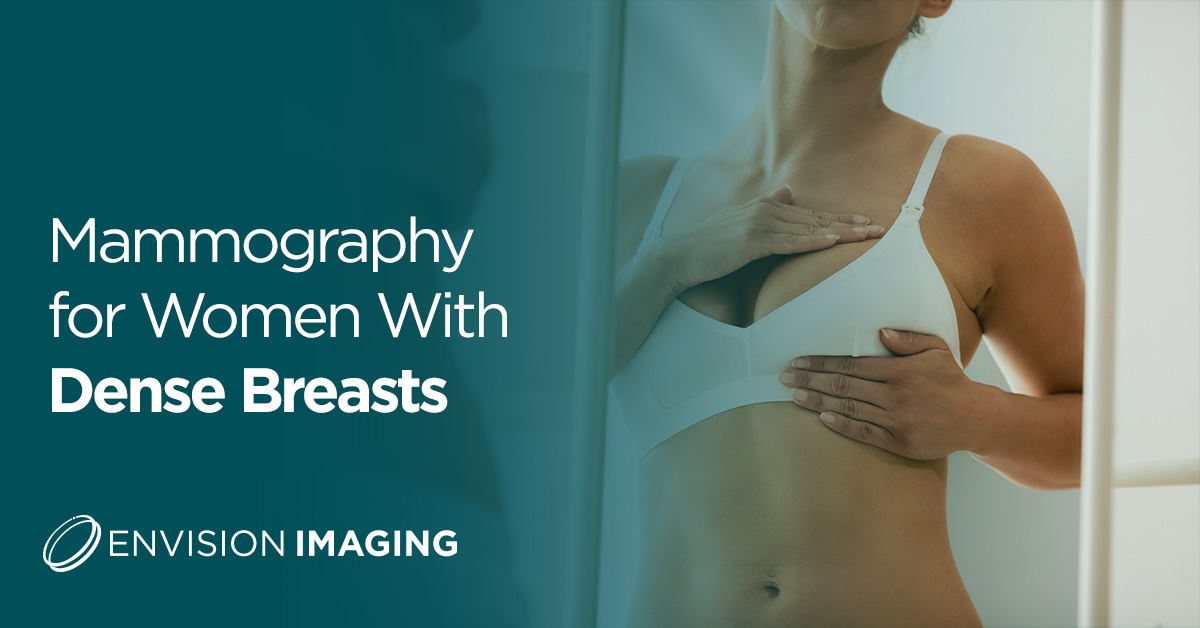
Navigating breast health can feel overwhelming, especially when you’re trying to understand new terms or complex recommendations. For many women, learning about breast density is a new and sometimes confusing part of the conversation around mammograms and cancer screening. As medical guidelines evolve and technology advances, it’s more important than ever to stay informed about what these changes mean for your personal health.
Understanding the nuances of breast tissue and how it can impact screening results empowers you to make confident decisions alongside your healthcare provider’s recommendations. Whether you’re scheduling your first mammogram or have been receiving regular screenings for years, knowing what to expect and which questions to ask can make a big difference in your experience. This guide will help clarify the role of breast density in mammography and provide practical information to support your ongoing breast health journey.
What Is Dense Breast Tissue?
Breast density refers to the amount of fibrous and glandular tissue in the breast compared to fat tissue. This measurement does not relate to size or firmness. Rather, it depicts whether there is a lot of tissue and not as much fat in the breast.
Breasts consist of ducts, lobules and tissue. Lobules are small glands that produce milk, and ducts carry milk from the lobules to the nipples. Together, the ducts and lobules are known as glandular tissue. The fatty and fibrous connective tissue hold other structures in their place and give breasts their size and shape. If you have more glandular and fibrous tissue than fat tissue, your provider may tell you that you have dense breasts, which can make typical breast screenings harder to interpret. The dense tissue is harder to see through on a mammogram.
Generally, breasts become less dense with age, but some women experience little change in breast density. Around 40% of women over 40 have dense breasts, and breast density is more common in younger women. Having dense breasts is not an indication that something is “wrong,” but it could make it more challenging to detect abnormalities in the breast.
There are four categories of breast density:
- Almost entirely fatty: This first category refers to breasts that consist almost entirely of fatty tissue. Breasts with a larger amount of fatty tissue have little dense breast tissue. About 10% of women have almost entirely fatty breast tissue.
- Scattered areas of fibroglandular density: When breasts consist mostly of fatty tissue, but there are scattered areas of dense breast tissue, it is classified as scattered fibroglandular density. Nearly 40% of women fall into this category.
- Heterogeneously dense: Heterogeneously dense refers to the inverse of scattered fibroglandular density. In this case, there are many areas of dense connective tissue with scattered areas of fatty tissue. Around 40% of women have heterogeneously dense breast tissue.
- Extremely dense: The final 10% of women have extremely dense breast tissue. This category refers to breasts with almost all glandular and fibrous tissue and minimal fat.
What Causes Breasts to Become Dense?
In most cases, dense breast tissue is hereditary, but other factors can contribute to breast density. Women are more likely to have dense breasts when they:
- Are younger: Breast density tends to decrease as we age. However, this doesn’t happen to everyone, and women of any age can have dense breasts.
- Have a lower body mass index: Women with less body fat are more likely to have denser breast tissue and less fatty tissue.
- Take hormone therapies: Those taking combination hormone therapies to relieve menopause symptoms may be more likely to develop dense breasts.
Why Is Breast Density Important?
Dense breast tissue is common in women, and it does not immediately indicate a problem with the body. However, having dense breasts can affect you in two big ways. First, dense breasts can make it more challenging to identify anomalies on a mammogram. Dense tissue is harder to see through, meaning if there is something concerning, a provider may not notice it through the dense tissue.
Additionally, dense breast tissue could increase your risk of breast cancer. Having dense breasts alone is not an immediate sign or cause of breast cancer, but several studies have demonstrated a moderate association between breast cancer risk and mammographic density. Research indicates that women in the extremely dense category are about five times more likely to develop breast cancer than those with fatty breasts.
However, those with a scattered density are about twice as likely to develop breast cancer. Although there is no definitive answer about why dense tissue is linked to breast cancer, some suggest that dense breast tissue may have more cells that can develop into abnormal cells, increasing cancer risks.
Also, some experts express that the level of risk for breast cancer in women with dense breasts is similar to the risk of breast cancer in a woman whose blood relative has had breast cancer. Depending on your level of breast density and whether you have other risk factors, your provider may recommend additional or more frequent screening.
How to Determine if You Have Dense Breasts
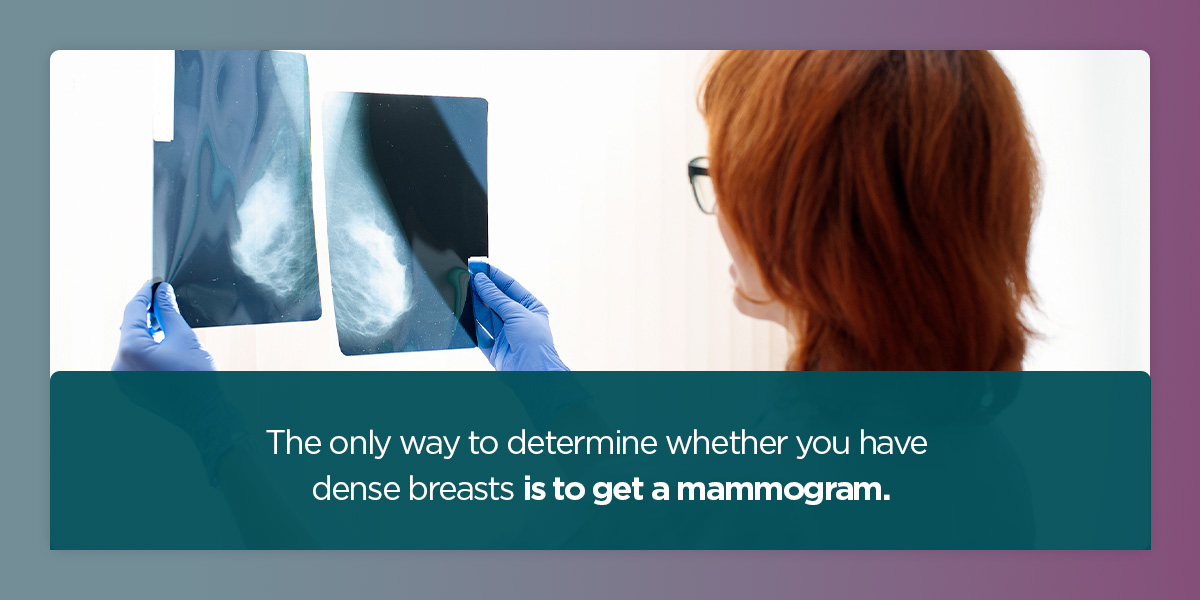
You will not be able to tell your breast density based on look or feel alone because every woman has lumps or bumpiness in the breast to some degree. The only way to determine whether you have dense breasts is to get a mammogram, which quantifies breast density. Mammogram results will show fibrous and glandular tissues in white, and identify fatty tissue with darker colors. Greater proportions of white in an image indicate higher breast density.
During a mammogram, you will position yourself in front of a mammography machine. Your provider will position one breast at a time on the surface, and a paddle will gradually compress the breast to create a high-quality image. You will need to stand still and may need to hold your breath to reduce the risk of blurring the images. The process is pretty quick, and you can continue with regular activities immediately afterward. Often, you will receive information within 30 days, letting you know if results were normal or if further testing is necessary.
Automated Breast Ultrasound (ABUS) Screening
Although a mammogram is the only way to determine breast density, many women consider additional testing to reduce the chances of missing breast anomalies. Additional or more frequent testing can make it more likely that your provider detects anomalies like cancer in earlier stages. More research is necessary to determine which tests are best for detecting anomalies, but you can discuss options with your doctor when considering additional testing based on your personal preferences and risk factors.
ABUS is a screening tool that can benefit women with dense breasts. This tool utilizes sound waves to create detailed images. ABUS is an excellent complement to mammograms, providing a clear view of the breast and increasing the chances of finding anomalies in early stages. This testing option is also noninvasive and radiation-free, making it an attractive option for supplemental screening.
New FDA Mammography Guidelines to Note
The Food and Drug Administration (FDA) has recently updated guidelines for women with dense breasts. These guidelines aim to raise awareness among providers and improve early cancer detection for those with higher densities. The FDA now requires every state to send a follow-up communication to women with dense breasts and recommend follow-up screening options.
Several other key updates aim to strengthen the fight against breast cancer:
- The FDA has oversight over facilities, including annual inspections, certification and accreditation to ensure mammography facilities provide quality care.
- Facilities must provide patients with information regarding their breast density.
- Providers must use the FDA’s specific language for explaining breast density and how results can influence screening accuracy.
Frequently Asked Questions About Mammography
Mammograms are the only way to identify breast density and are the top means for detecting cancer at the earliest stage possible. Routine mammograms can reduce cancer-related risks and guide care steps. Take a look at these frequently asked questions for more information about mammography:
1. Should All Women Have a Regular Mammogram?
Women with an average risk for breast cancer should begin screening at age 40. Previously, recommendations encouraged women at age 50 to begin screening, but new research shows cancer risks start increasing earlier.
When it comes to frequency, there is some debate about when to get a mammogram. Some experts suggest annual screenings to detect fast-growing cancers as early as possible. However, others advocate for a screening every other year to reduce unnecessary testing and the number of false positives in women with average breast cancer risks. Ultimately, you should speak with your doctor and refer to your risk factors and preferences to determine an ideal screening frequency.
2. How Often Should a Woman With Dense Breasts Have a Mammogram?
Women with dense breasts should speak with their doctor and determine their personal cancer-related risks to determine when to schedule mammogram screenings. Having dense breasts is not a sole indicator of higher cancer risks, so speaking with your provider can help you determine whether you should begin screening earlier or more frequently than other women.
3. How Often Should Women With Higher-Than-Average Cancer Risks Have Screenings?
Several agencies recommend annual screening for women with higher-than-average risks. Individual risk factors will impact your frequency needs, but generally, women with higher risks should have annual breast MRIs starting around age 25 and annual mammograms starting at age 30.
4. What Type of Mammogram Is Best for Dense Breasts?
A 3D mammogram is ideal for women with dense breasts. This advanced imaging technique captures thin pictures to create a comprehensive image of the breast. This is the best screening method for all women and can increase cancer detection for women with dense breasts. Some research indicates that 3D mammograms can find up to 35% more cancers and result in 30% fewer false positives.
5. Where Can I Get a Mammogram?
You can schedule a mammogram at outpatient imaging centers, radiology departments, dedicated breast centers and some doctors’ offices. You can speak with your current medical provider to determine nearby locations for your services. You may also be able to contact your insurance company to find in-network facilities near you.
Why Trust Envision Imaging?
At Envision Imaging, our providers are focused on enhancing your well-being and health through outstanding hospitality and expertise. Our purpose is to improve lives, and we recognize that every person is unique and deserving of a personalized approach to care. Our centers are committed to creating enjoyable and comfortable experiences that have a personal touch. We leverage the latest imaging technology, offer extensive patient support and cater to patient needs to ensure your procedure results are reliable and accurate.
With 18 years of success under our belts and a passion for delivering top-notch care, you can feel confident in our team and services. We have locations throughout several states, expanding our reach to as many patients as possible. We also offer extensive patient resources, so you can feel informed before, during and after every procedure.
Schedule Your Screening With Envision Imaging
Envision Imaging is ready to bring care that’s centered on you. We want to bring you peace of mind and ensure you have a comfortable experience that empowers and informs you. From the moment you walk through our doors, you’ll find a passionate team ready to provide the personalized attention you need to improve your health and feel confident in your decisions. Request your screening mammogram with Envision Imaging.